




 Facebook
 Instagram


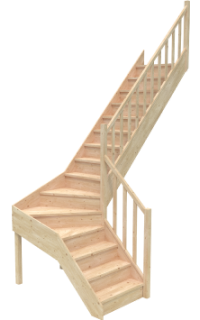
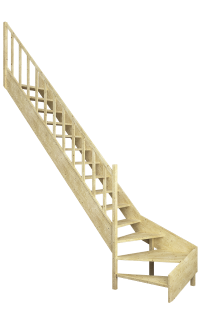
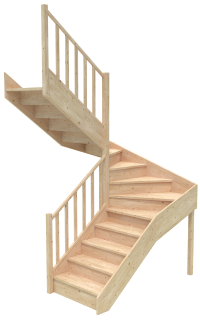


What types of wood do we distinguish? Which wood should you choose for stairs?
-
Posted by
Stairs Sowosz
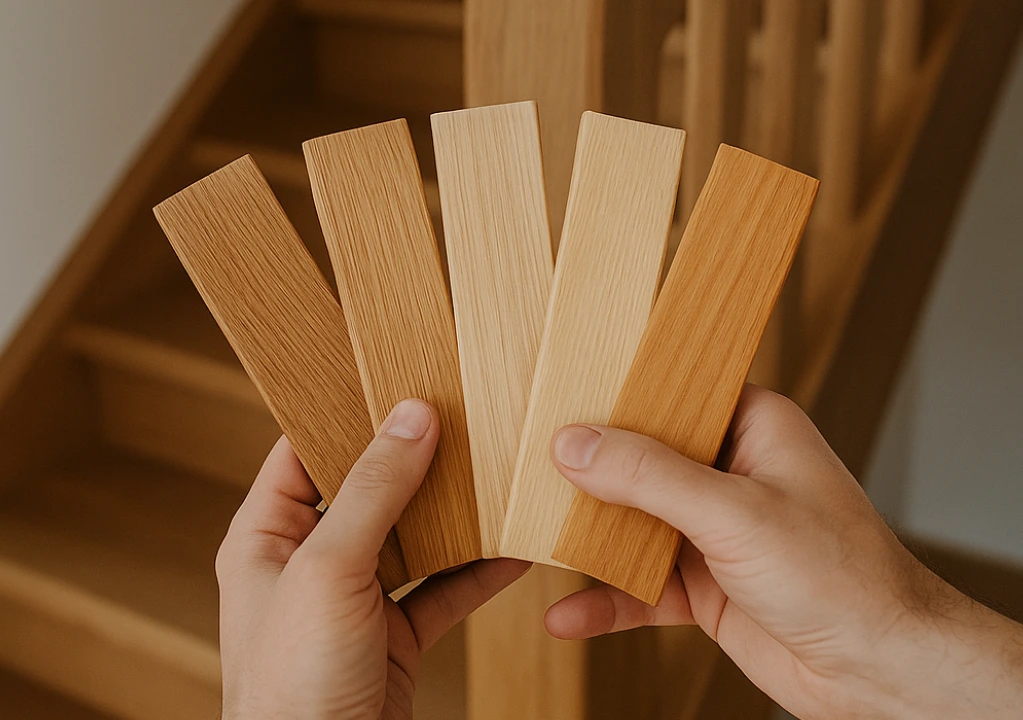
The decision to install wooden stairs in a single-family home is just the beginning. Carpentry shops offer many types of wood from which this type of construction is made. How to choose the best one? Where is the golden mean between price and quality? We will be happy to advise you on the types of wood available and which ones are best suited for interior stairs.
The most popular types of wood for stairs
Let's start with an overview of the types of wood available on the market. In the production of internal stairs the following are most often used:
- oak ‒ popular due to its hardness and durability, but also beautiful grain; quite expensive, often used in houses and apartments of a higher standard;
- beech ‒ durable, with a uniform, light color; considered a type of wood that "works" a lot;
- ash ‒ wood with heterogeneous (sometimes lighter, sometimes darker) grain; as hard as oak, but cheaper;
- pine ‒ valued for its warm color, slightly rustic appearance and ease of processing;
- spruce ‒ bright, light, durable; often a compromise between price and durability;
- larch ‒ resistant to moisture, therefore also used for external stairs.
Featured Products
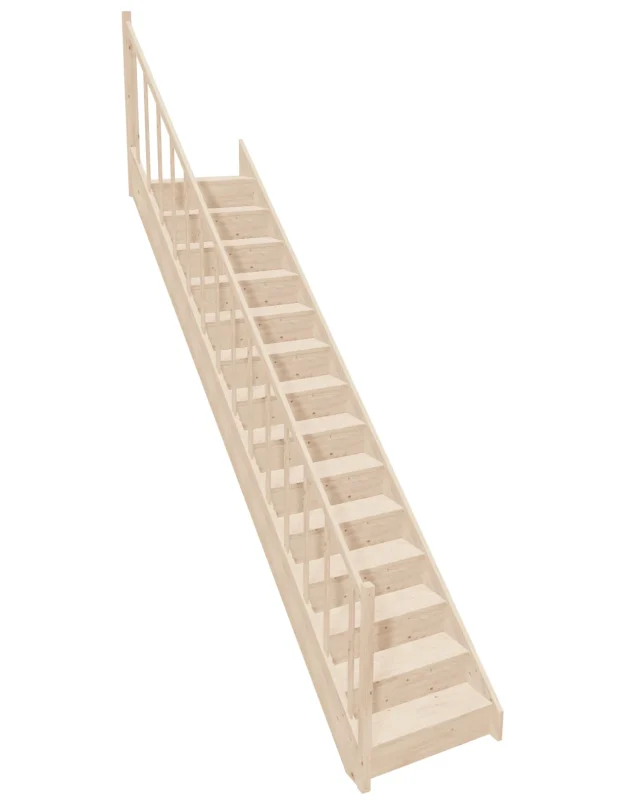
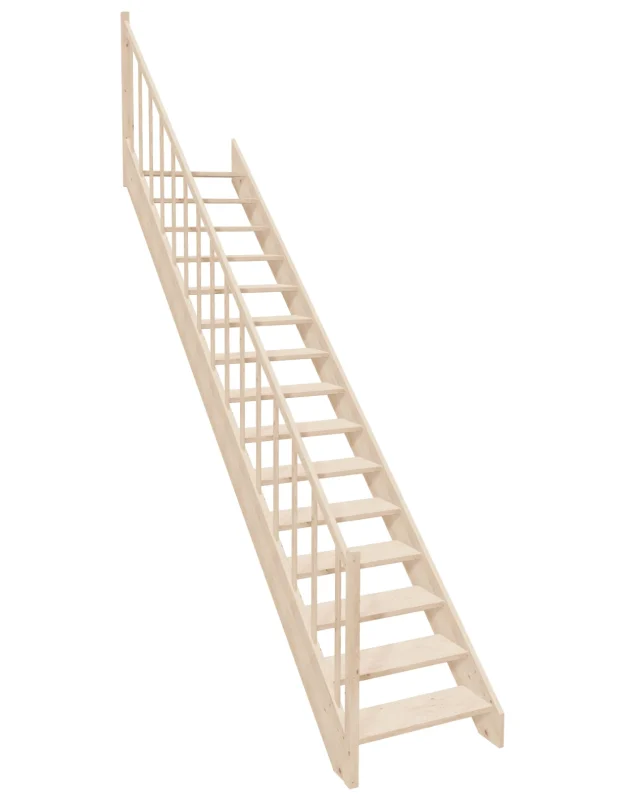
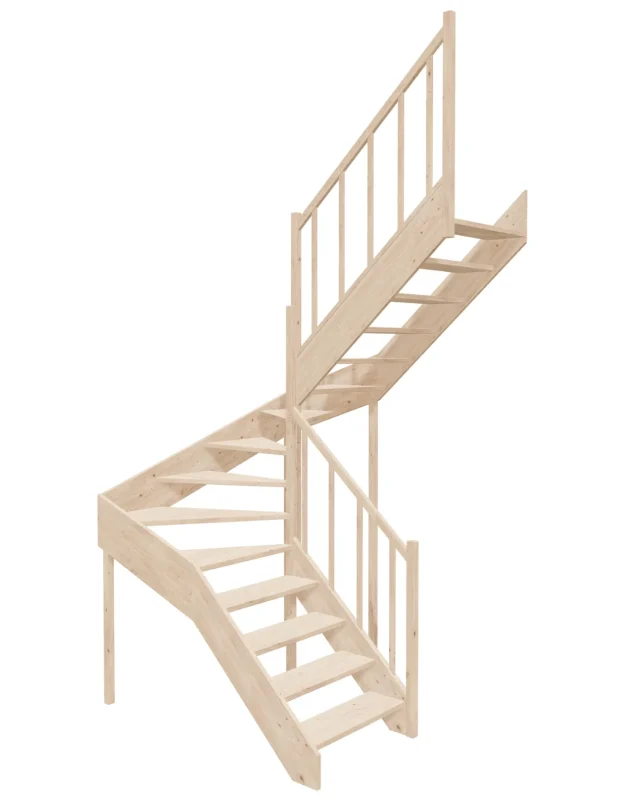
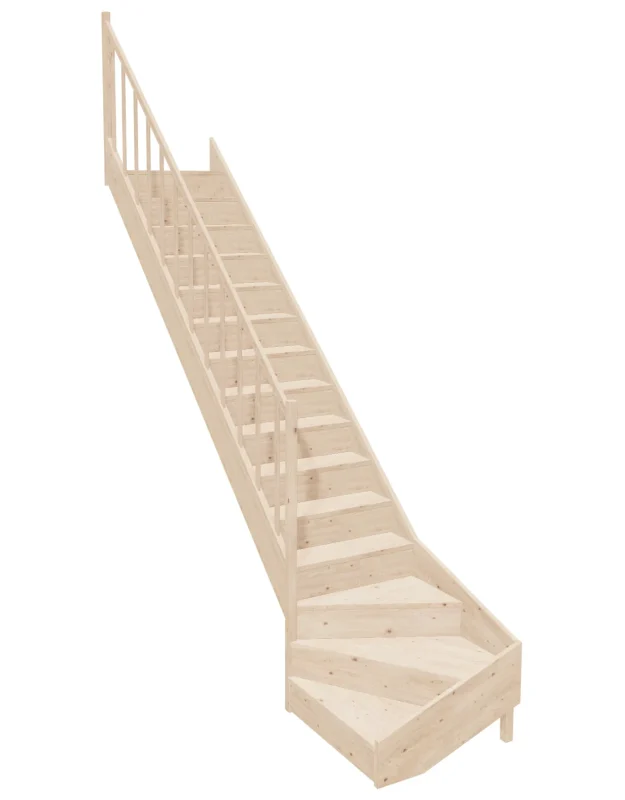
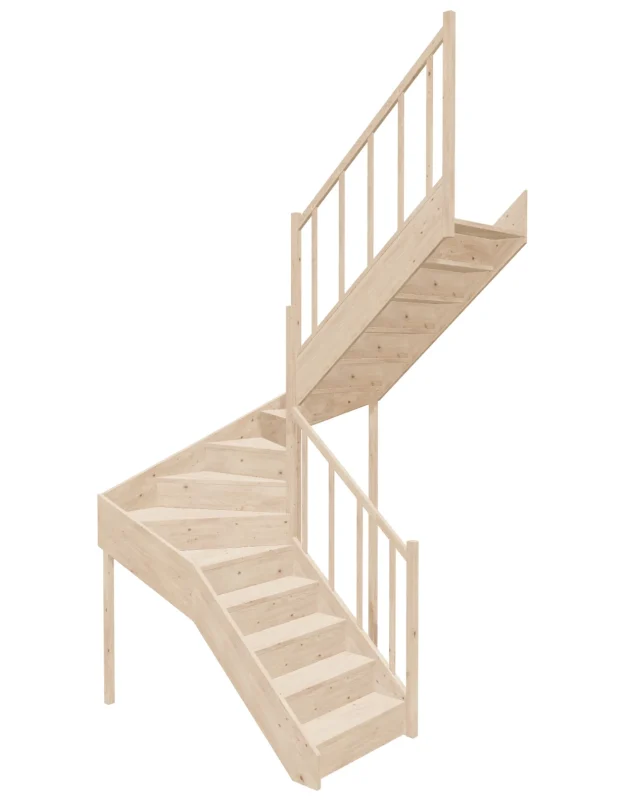
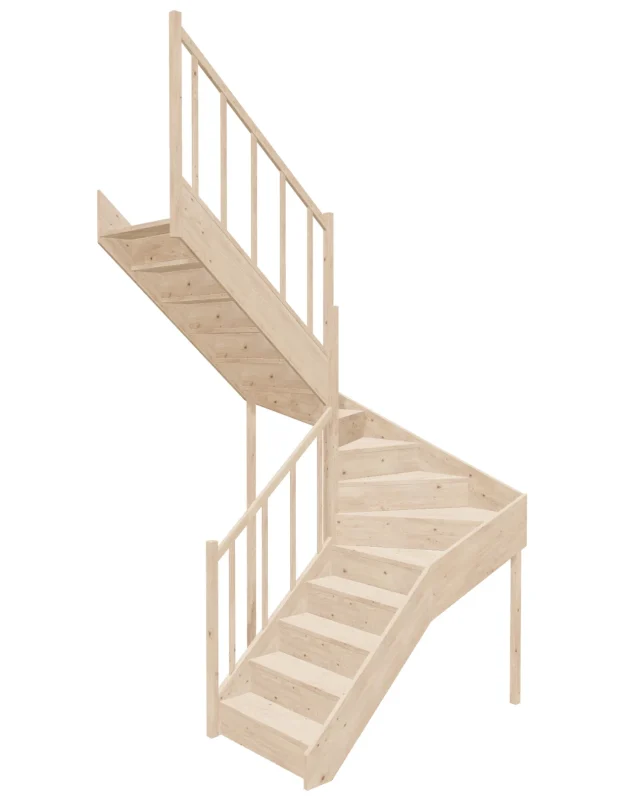
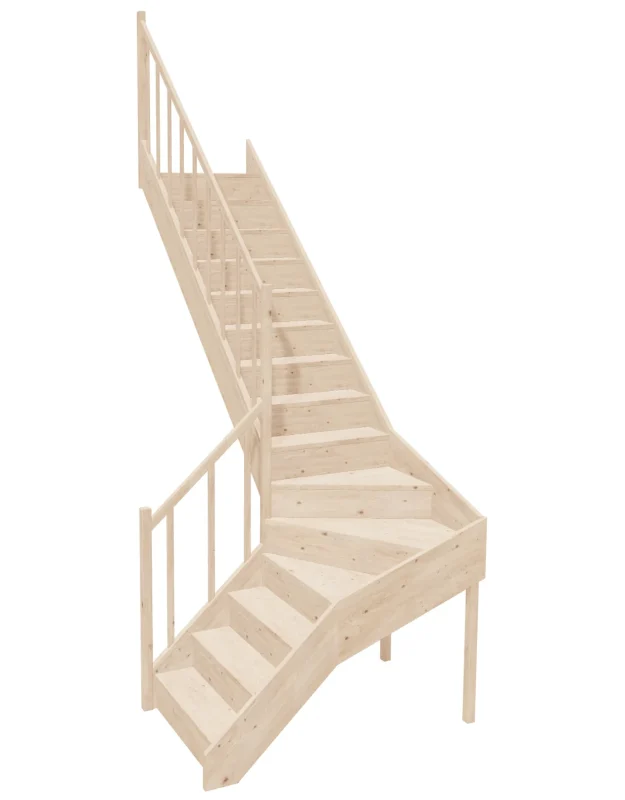
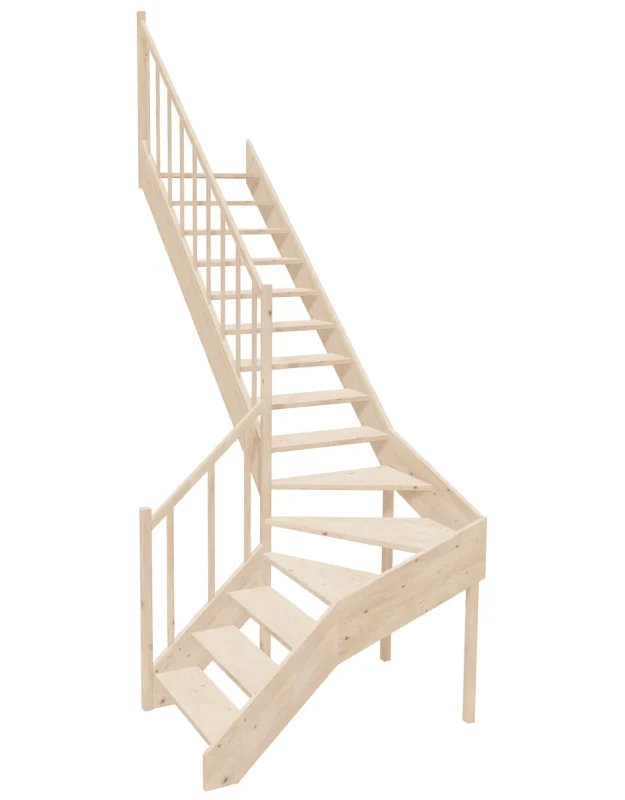
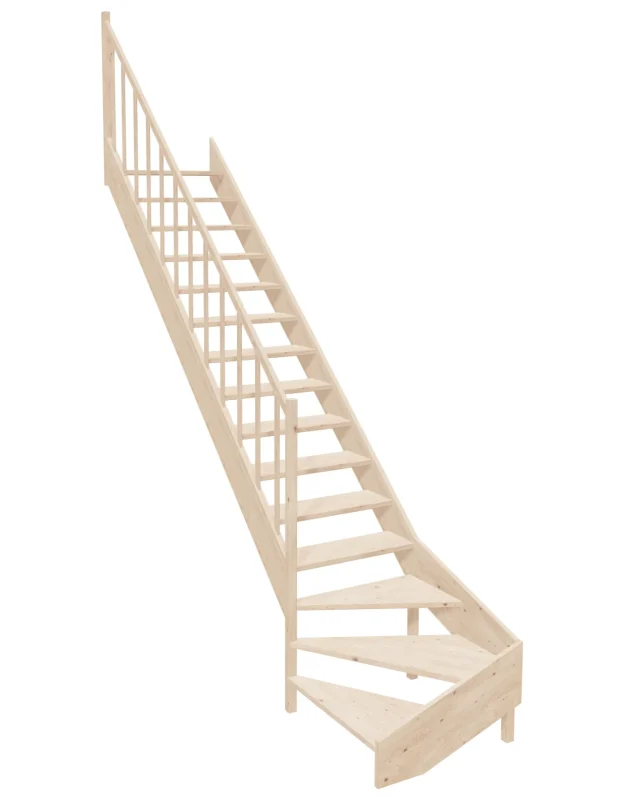
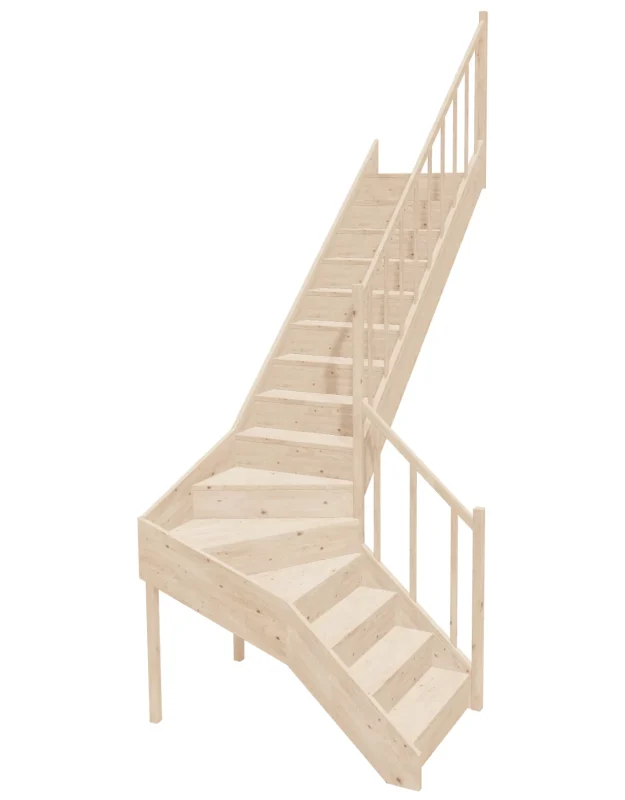
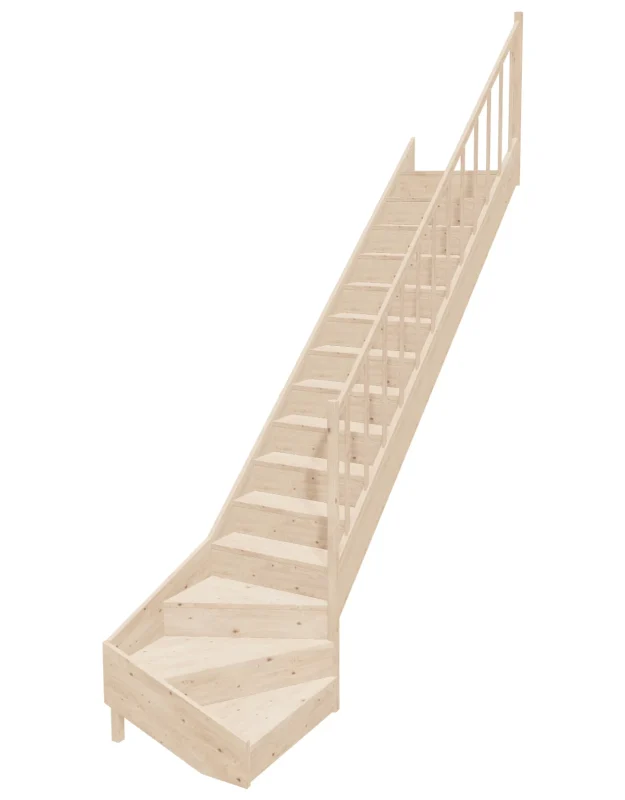
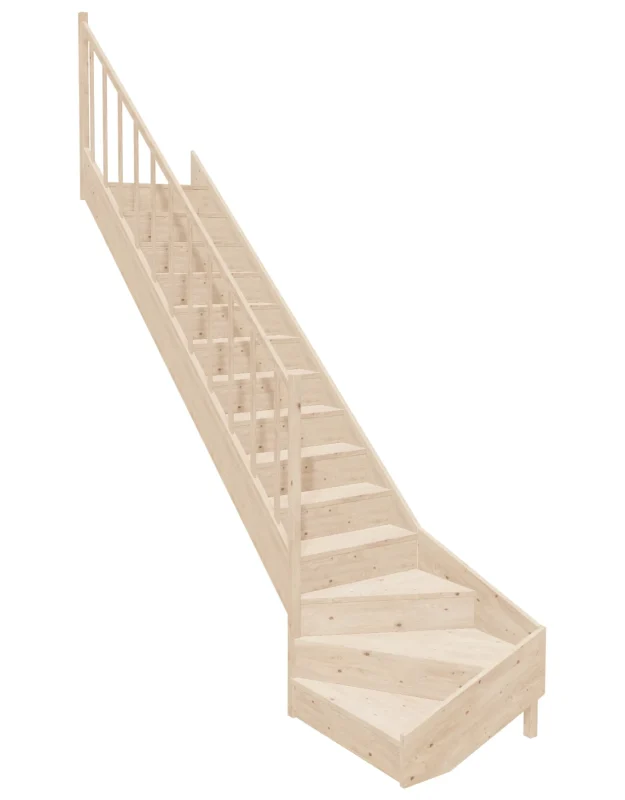
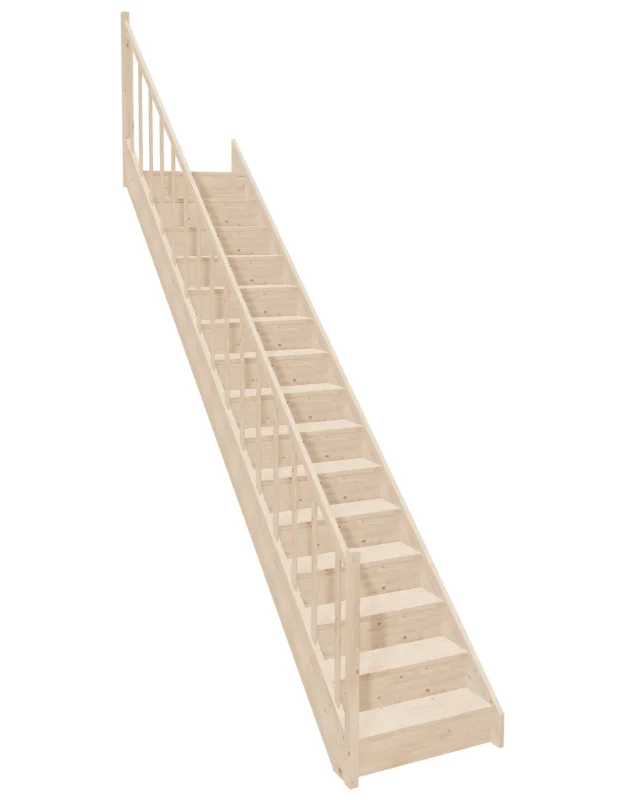
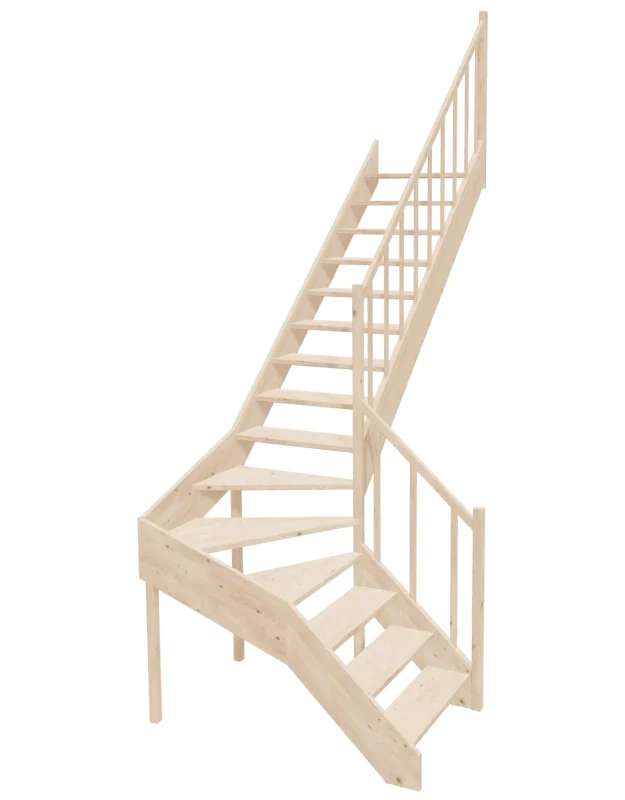
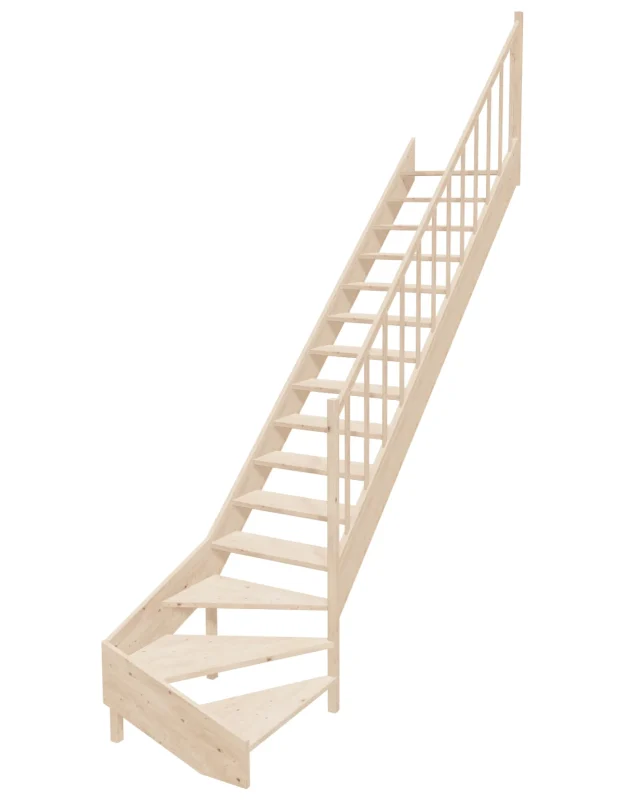
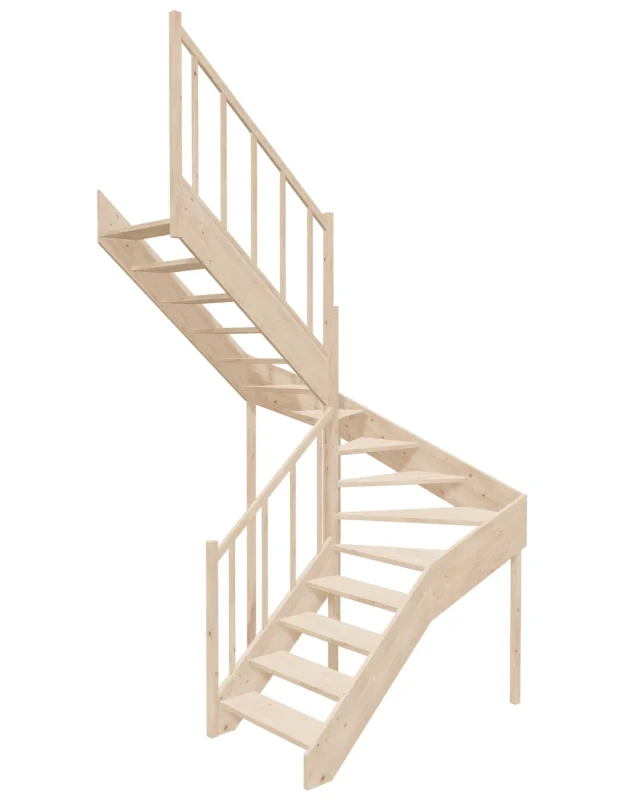
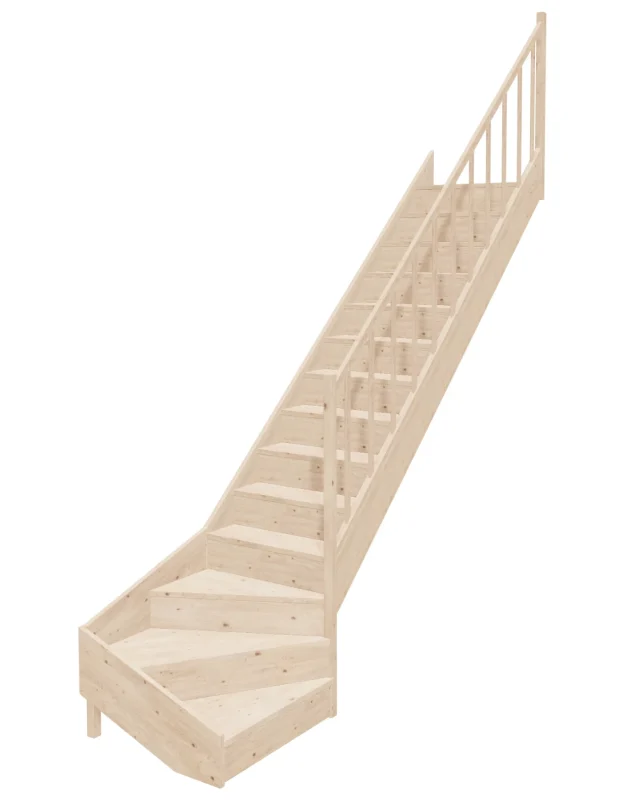
Wood species and their properties
What exactly should you consider when choosing wood? Here are the most important parameters of this raw material:
- hardness ‒ there is a special Brinell scale, in which each popular wood species has an appropriate degree of hardness. For example, for oak, which is considered the hardest wood in Poland, the value is 3.7–4.2 HB, and for spruce, which we often use in the production of interior stairs in Sowosz, the value is in the range of 1.5–2.0 HB;
- density ‒ theoretically, the higher this parameter, the greater the durability and load-bearing capacity of the stairs, but the density also affects their mass, so the denser the heavier;
- dimensional stability ‒ a property that affects the tendency to crack or warp. Good dimensional stability is achieved by properly seasoning the wood, i.e. storing it in appropriate conditions until it reaches a moisture content of 8-10% – only then can it be used in the production of interior stairs;
- abrasion resistance ‒ the more the stairs are used, the greater their resistance to mechanical damage must be.
- resistance to moisture and fungi ‒ applies more to seasonal houses than to single-family houses, but still the higher the better;
- aesthetics ‒ a parameter strongly related to the customer's taste; some species have more delicate grain, others – more interesting and more varied; you can also choose between lighter and darker species of wood, depending on the effect you want to achieve;
- price ‒ related to the availability of wood and all the above-mentioned parameters.
Hardwood species
It is assumed that the higher the degree of hardness, the greater its resistance to mechanical damage. That is why these hardwood species are chosen not only for single-family homes, but also for public buildings – where floors and stairs are subject to intensive use.
Oak, ash, beech – these are the hardest species of wood in Poland. If we also take into account exotic species, it is worth mentioning teak – a luxurious Asian wood with very high resistance to moisture and an oily shine. It is considered long-lasting – even in outdoor conditions, teak wood products can last for many years. It is not difficult to guess that it is also very expensive and mostly used in exclusive projects.
A type of softwood
Wood with a lower hardness is lighter and more flexible, making it easier to work with. It's ideal for custom-made stairs, especially unusual ones that need to be perfectly adapted to a specific space.
Softwood stairs are perfect not only for single-family homes, but also, for example, as stairs to a summer house.
The most popular species of softwood are pine and spruce. They are much cheaper than their hardwood cousins, and – as our experience and the one of our customers show – they are as durable as the hard onesi, which is why they are often chosen as a material for interior stairs.
In the past, soft wood species were the most popular material for building stairs, whose durability is now measured in decades.
Sometimes customers looking for a material for stairs are convinced that only hardwood is suitable. This is a myth spread by carpenters who practice working only with hard types of wood. Our many years of practice prove that softwood species are perfect for everyday home use.
So which wood is better for stairs: hard or soft? Of course, it depends on you: your needs, taste and budget. If you're looking for a compromise between price and durability, softwoods like spruce are a pretty reasonable choice.
Which wood should you choose for stairs?
Now that we know a bit about the types of wood available on the market and their properties, it's time to get specific: what wood should you choose for interior stairs so as not to overpay, but also not to sink money into an investment that will require renovation after a short period of not very intensive use?
The best wood for stairs is one that has an optimal price-quality ratio. One that will serve the client for many years, without unnecessarily straining the budget, which is often the basic argument in making various decisions when building or renovating a house.
What do we advise as an experienced manufacturer of custom-made wooden stairs? Spruce wood – a compromise solution that we have been recommending to our clients for years. Why exactly like this? Here are the most important arguments that speak for spruce as an excellent building material for stairs in your home:
- spruce stairs are several times cheaper than hard types of wood for stairs, e.g. oak (approx. 3-6 thousand PLN in Poland for spruce stairs compared to approx. 20-30 thousand PLN for oak stairs);
- our customers have been using the spruce stairs ordered from us for years, appreciating their durability and strength, not filing any complaints and recommending our products to others;
- by using modern, professional wood varnishes, we can obtain high hardness of the stairs and abrasion resistance;
- Our stairs are tested at the Instytut Techniki Budowlanej in Poznań (both in terms of the strength of individual components and the entire structure), where they pass all tests.
Another advantage of using spruce is its light color, which gives the interior lightness and visual warmth. It is also an easily available raw material in Poland. At SOWOSZ we obtain it entirely from the State Forests. In this way, we support sustainable forest management, and our customers have a guarantee of the legality of timber sources.
Would you like to order wooden stairs from our company? Use our online configurator ‒ you will receive a three-dimensional, interactive visualization of the stairs, which you can then send to us for a free quote. We invite you to cooperate!
