




 Facebook
 Instagram




Wood Processing in a Sawmill
-
Posted by
Stairs Sowosz
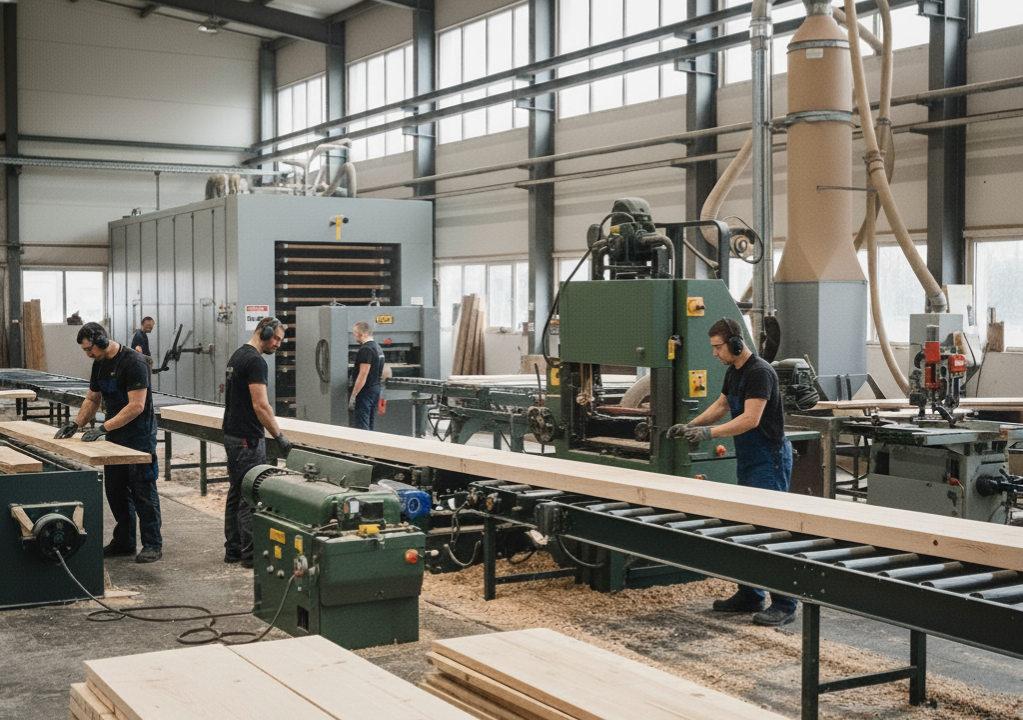
SOWOSZ operates its own sawmill, where wooden boards for our customers’ wooden stairs are produced from start to finish. Since we do not use subcontractors, we can take full responsibility for the product we deliver and ensure its highest quality. Are you curious about what wood processing looks like “behind the scenes”? We invite you to take a walk through our facility.
Wood Processing Facility – What Is It?
Simply put, a wood processing workshop is a place where raw material in the form of logs, beams, sawn timber, or semi-finished products is processed into finished goods ready for use or materials from which such products will be made. What kind of products? For example, wooden stairs for homes.
Depending on the specific profile of a sawmill, a wood processing facility may produce items such as boards, beams, strips, rafters, squared timber, pallets, crates, and by-products such as pellets, briquettes, sawdust, and more.
Raw wood delivered to our sawmill comes directly from Polish State Forests. In this way, we support sustainable forest management and the local wood industry.
The wood processing process in a sawmill begins with cutting the log to the appropriate length and then sawing it on a band saw into squared timber, planks, or boards. The obtained material is then sorted according to dimensions and intended use. Squared timber may be impregnated, while boards and planks—depending on their future application—are either further cut or sent for drying.
Wood can be dried naturally by storing it under appropriate conditions in the sawmill yard, or in kiln dryers, which significantly speed up the process and allow precise control of moisture levels. For interior joinery, including wooden stairs, the optimal moisture content is approximately 8–12%.
Once the required moisture level is achieved, the wood is ready for further processing, such as the production of stairs, furniture, or finishing elements.
The most popular methods of wood processing include:
- Sawing ‒ cutting wood into elements of specific dimensions;
- Planing – leveling and smoothing the surface of the wood;
- Milling – shaping, creating profiles, and decorative edges;
- Turning – giving wood a round shape, e.g. for stair balusters;
- Drilling – making holes for dowels, screws, fittings, or installations;
- Sanding – smoothing surfaces before painting, staining, or varnishing.
Wood processing technology includes not only the activities that transform raw material into a product, but also the machines and accessories that make this work more efficient. Let’s take a closer look at the machines and tools most commonly found in a sawmill.
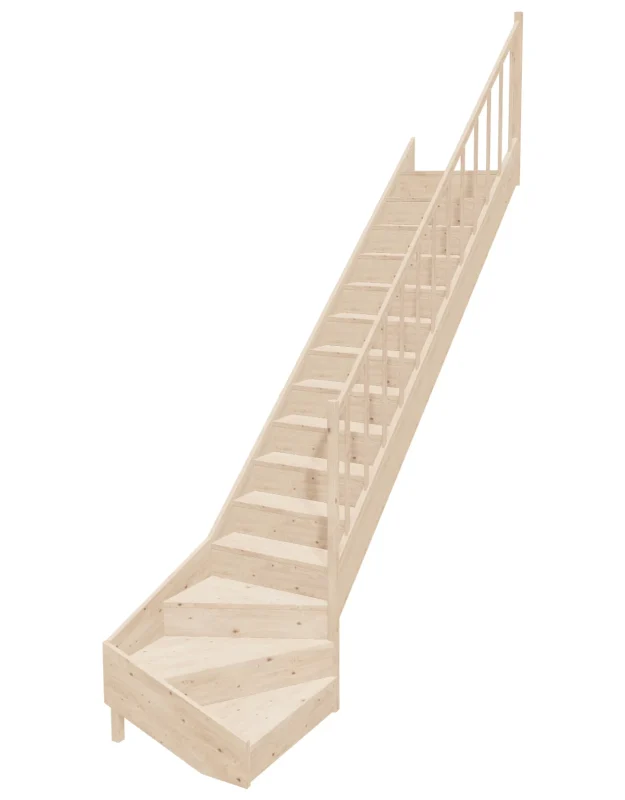
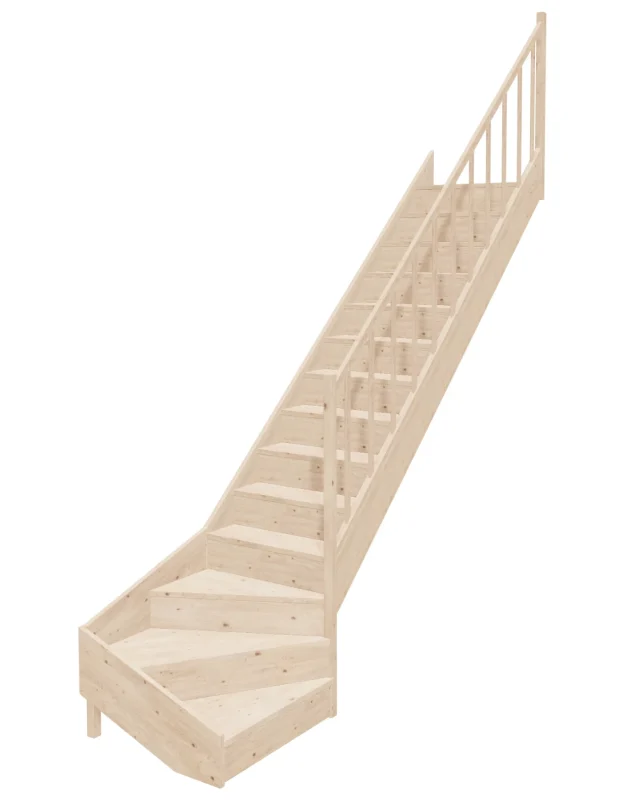
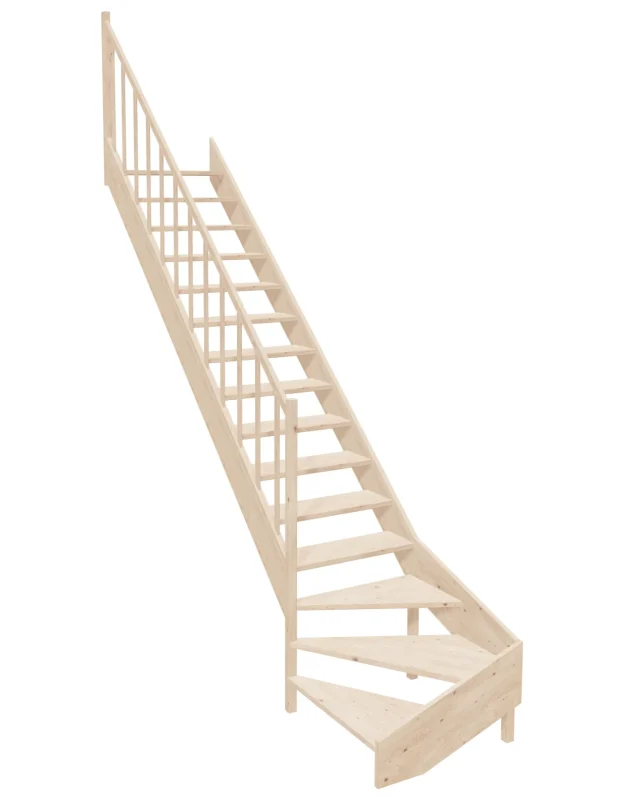
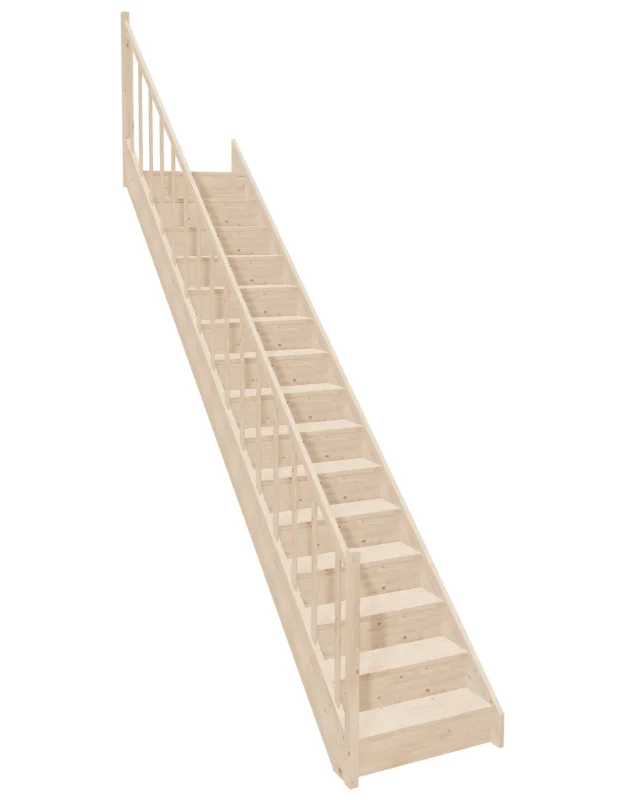
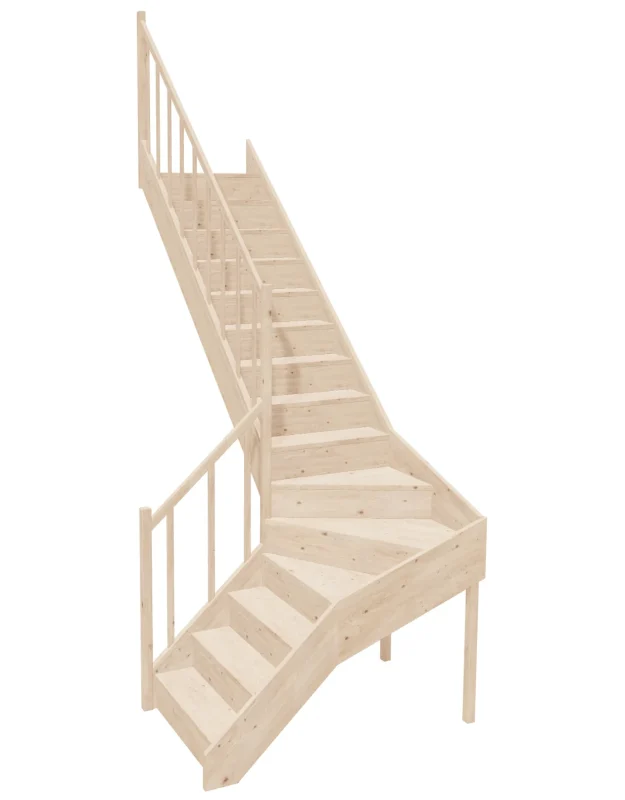
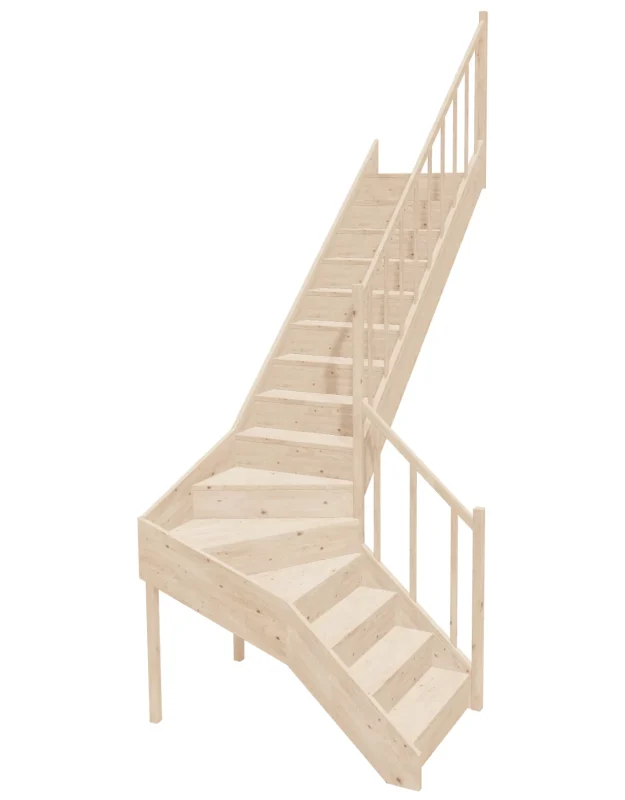
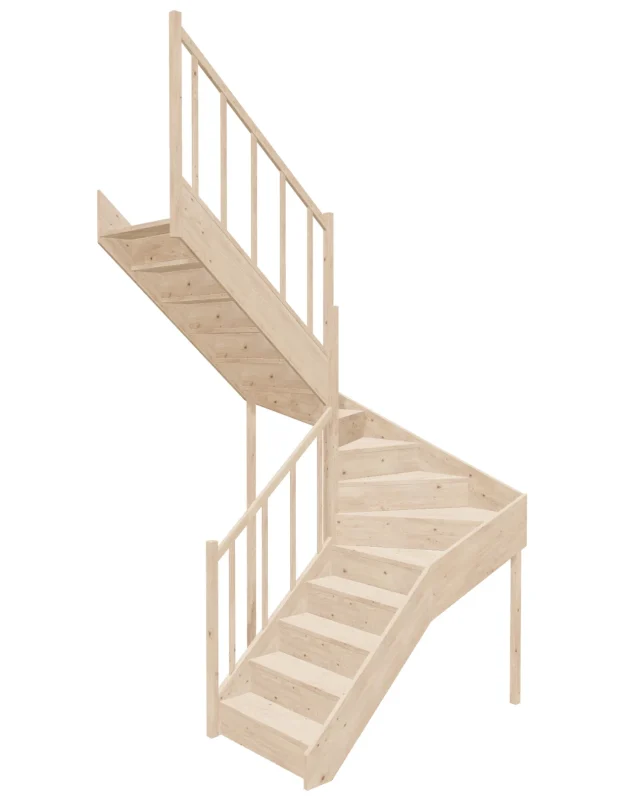
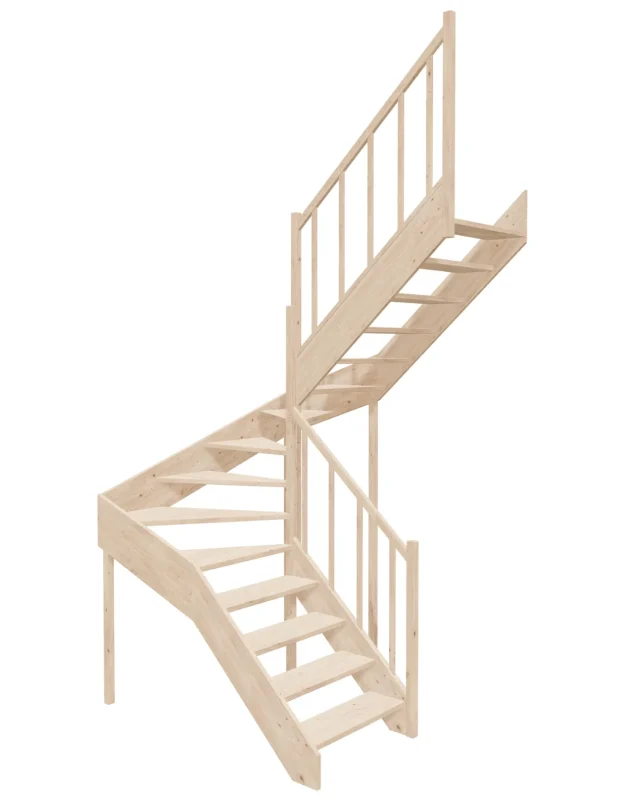
Featured Products
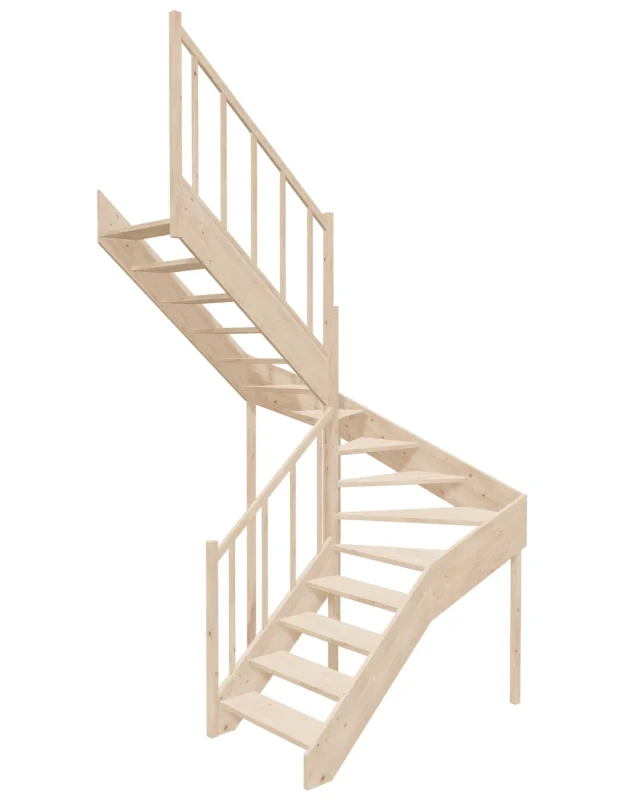
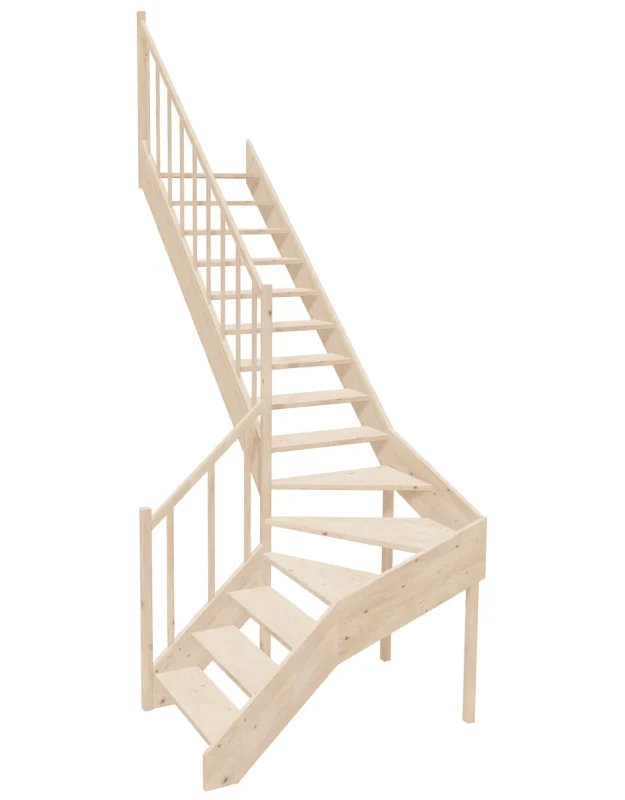
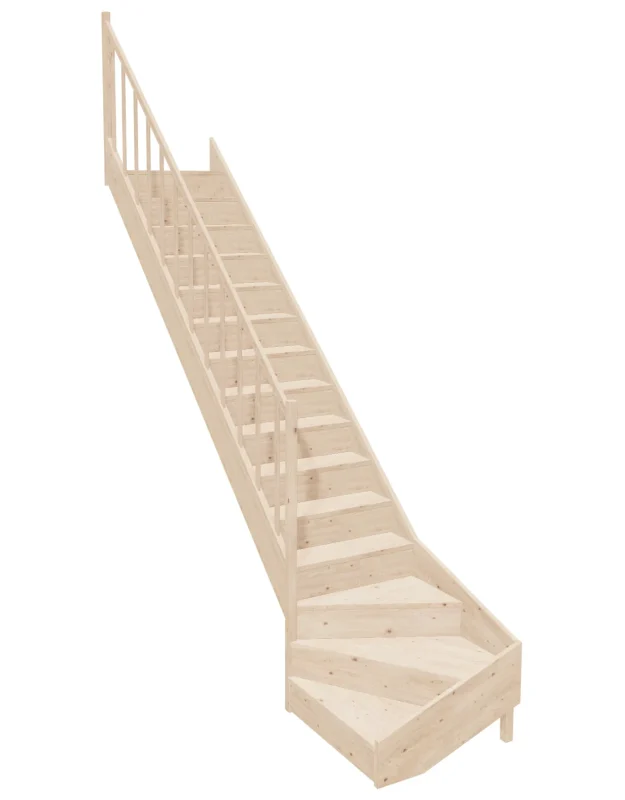
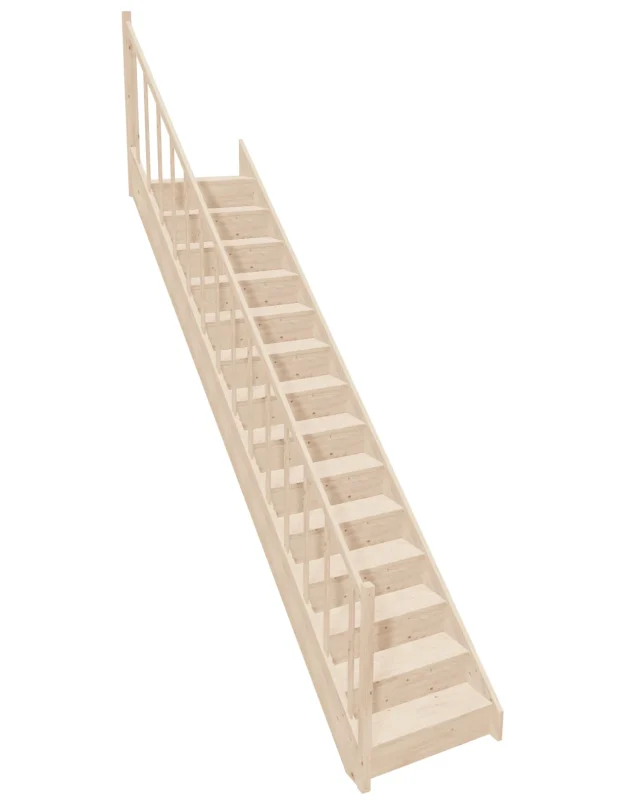
Woodworking Machines – The Most Popular Types
Without them, precise wood processing would be impossible or extremely difficult. What machines and tools are essential in every woodworking facility?
- Band saws and sawmills – for cutting wood;
- Circular saws and chain saws – for more precise cutting of elements;
- Planers / jointers – for smoothing wood surfaces;
- Thickness planers – for achieving a specific board thickness;
- Milling machines (routers) – for profiling, grooves, rebates, and decorative shapes;
- Wood lathes ‒ for turning wood into cylindrical shapes;
- Drilling machines – for holes for dowels, hinges, and connectors;
- Sanders – for smoothing wood surfaces.
Some woodworking machines combine several functions (2-in-1 or even 3-in-1 tools). An example is a combined woodworking machine, which can function as a saw, planer, and thicknesser at the same time. However, the larger and more professional the facility, the more often it relies on separate, specialized machines. This approach is faster and more efficient, as it eliminates the need to frequently change machine settings.
It is also important for a facility to be equipped not only with woodworking machines but with auxiliary equipment, such as:
- Drying kilns, including moisture monitoring systems;
- Dust extraction systems for removing sawdust and wood dust;
- Belt and roller conveyors for transporting wood within the facility.
High-quality wood processing in a sawmill directly affects the quality of the final products made from that wood. Having our own sawmill gives the SOWOSZ brand the confidence that the wooden stairs we deliver to our customers are top-class products, whose condition and functionality will remain unchanged for many years.
Would you like to have such stairs in your home?
Browse our offer and contact us today!
